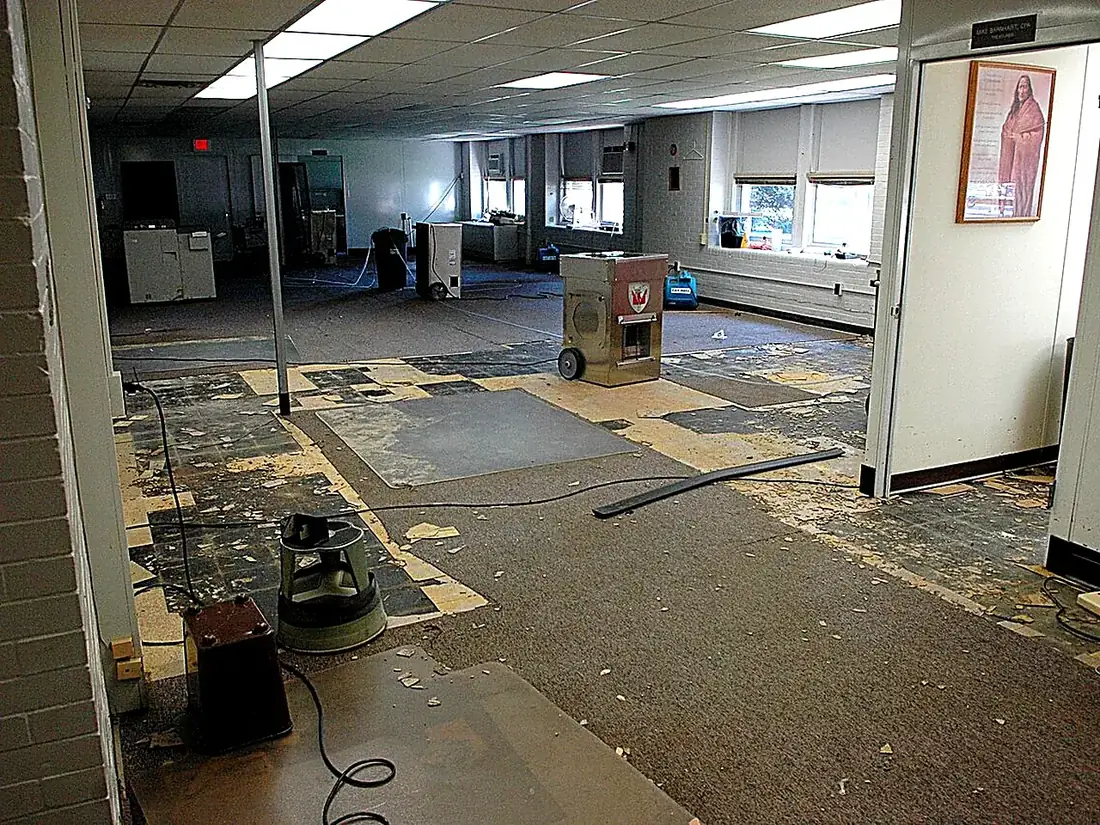
Why there's no single number
Search "water damage restoration cost" and you'll find averages ranging from $1,300 to $5,000 or more. Those numbers are honest about their own limits: the range exists because no two water losses are alike. A supply-line leak caught in twenty minutes on a concrete floor prices differently than a sewage backup that sat overnight in a finished basement.
What we can do — honestly — is break down the factors that move the number, so you can have a better conversation with whichever provider you choose.
The five factors that drive cost
| Factor | Why it matters | How to reduce it |
|---|---|---|
| Amount of water | Depth and square footage drive extraction time and equipment count. | Call for extraction immediately — every hour matters. |
| Water category | Clean, gray, and sewage-contaminated water require very different handling and protective equipment. | Identify the source before calling — it changes the plan. |
| Materials affected | Hard flooring dries cheaply; soaked carpet pad, insulation, and cabinetry usually need removal. | Don't rip anything out before the moisture map — a pro can tell you what's salvageable. |
| Time before drying starts | Every day of saturation converts cleanup jobs into replacement jobs and expands mold risk. | Call early, even for "small" losses. |
| Equipment days | Drying runs in days, not hours — each day of air movers and dehumidifiers is part of the estimate. | Ask for daily moisture readings so the end point is measurable. |
Put simply: the cheapest restoration is the one that starts today. Every hour of delay converts materials from "dry in place" to "remove and replace."
What insurance typically covers
Homeowner policies treat water damage differently depending on the cause:
- Sudden and accidental events — burst pipes, appliance failures, storm roof damage — are commonly covered.
- Gradual leaks and seepage — the slow drip that ran for months — are frequently excluded.
- Sewer and drain backups usually require a specific endorsement.
- Groundwater flooding is typically excluded and needs separate flood coverage.
Coverage always comes down to your specific policy. The practical move: photograph everything before cleanup, keep the failed part, save receipts, and confirm directly with your carrier. The restoration provider's documentation package supports whatever the claim includes.
How to keep costs down
- Call on day one. The single biggest cost reducer. Extraction that starts today keeps materials in the "dry in place" column.
- Ask for a moisture map. A provider who measures before removing saves you from unnecessary demolition.
- Get the scope in writing. A written estimate with line items protects you from scope creep.
- Verify the dry standard. Equipment should come out when readings hit the dry standard — not when someone "feels" it's done.
- Fix the source. The cheapest restoration is the one you don't need twice — repair the pipe, replace the hose, upgrade the pump.
Cost FAQs
Do restoration companies charge for estimates?
Many provide free assessments for insurance-related work. Ask when you call — and always confirm pricing before any work begins.
Is it cheaper to handle small water damage myself?
For a small, fresh, clean-water spill on hard surfaces — yes. For anything that soaked into materials, professional drying prevents the mold and rebuild costs that dwarf the cleanup bill.
How long does the drying equipment run?
Industry guidance commonly cites three to five days for typical residential losses. Each equipment day is part of the estimate — ask for the daily readings.
What's the most expensive type of water damage?
Sewage backups in finished basements — they combine contamination (PPE and disposal costs), material removal, and extended drying. Fast response is the biggest cost reducer.
Should I get multiple quotes?
For insurance claims, the provider you choose does the work and bills the insurer — so choose based on reputation and documentation quality. For out-of-pocket work, comparing written scopes is always smart.
The bottom line: the factors are predictable, the biggest one is time, and the fix is free — call (216) 438-9348 the moment you find water. We'll connect you with a provider who documents everything and confirms pricing before work begins.