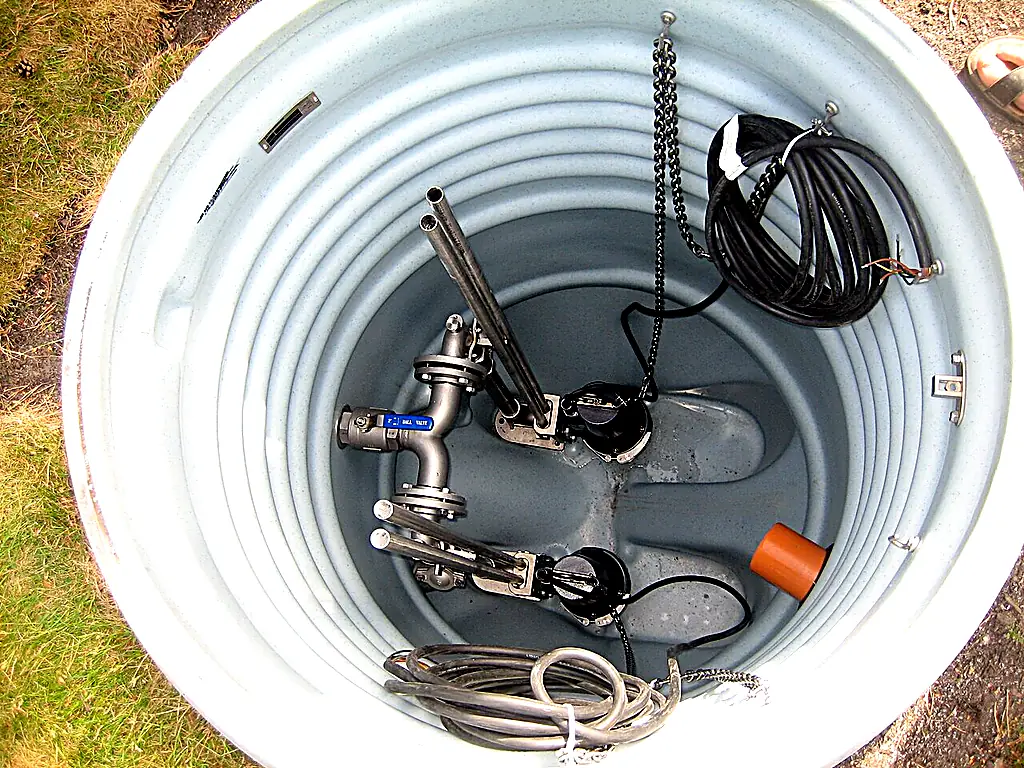
Sump pump failure cleanup, in short
Sump pump failure cleanup is the extraction and drying of a basement that flooded because the pump stopped — from a power outage, a stuck float, a jammed impeller, or a pump that simply reached the end of its life. It's one of the most preventable water losses there is, and one of the most frustrating. If your pump quit during a Cleveland storm, call (216) 438-9348 and our team extracts the water and dries the space properly.
Why sump pumps fail at the worst moment
- Power outages. The storms that fill sump pits are the same storms that drop power lines — a pump without battery backup stops exactly when it's needed.
- Stuck or failed floats. The float switch is the pump's brain; debris jams it and the pump never turns on.
- Overwhelmed capacity. An undersized pump loses the race against a heavy downpour.
- Age and wear. Pumps working hard in gritty pit water commonly last seven to ten years — many Cleveland basements run theirs far longer.
- Frozen or clogged discharge lines. Water can't leave if the pipe outside is blocked or frozen solid.
What to do first when the pit overflows
- Power before puddles. If the pump, washer, or outlets are standing in water, don't step in until electricity is confirmed off.
- Try a manual restart. Lift the float by hand or pour water into the pit — a pump that runs may buy time while help is called.
- Photograph the scene. Water level on the walls, the dead pump, everything wet — dated photos for the claim.
- Call (216) 438-9348. Our team extracts and dries while a plumber replaces the pump.
The cleanup, done properly
Pit water isn't clean — it carries soil, iron bacteria, and whatever the drain tile collected. Cleanup means extraction, disinfection of every wet surface, removal of soaked carpet pad and drywall bottoms, and structured drying with daily moisture readings. Skimping on the disinfection step is how basements end up musty for years. When the water arrived during a sewer-backing storm, contamination rules go up a level — see our sewage guide.
Making sure it never happens again
- Test the pump quarterly — pour a bucket of water into the pit and watch it cycle.
- Install a battery-backup pump; the two failures that matter (storm plus outage) arrive together.
- Replace aging pumps before they die — don't wait for the tenth year.
- Fit a pit cover to keep debris from jamming the float.
- Check the discharge line outside every fall — one frozen pipe undoes the whole system.
Professional tip: add a water-detection alarm beside the pit. The kind that simply shrieks costs about twenty dollars — and it screams the moment water rises, at 2 a.m. or otherwise.
What drives the cleanup cost
Depth and spread of the water, what got soaked (finished walls and carpet vs. bare concrete), disinfection needs, and equipment days. A pump failure caught in the first hour is usually a modest job; one that runs all night in a finished basement is a different scope. The crew confirms pricing after assessment — see the homepage's cost-factors overview.
Sump pump FAQs
Does insurance cover sump pump failure flooding?
Often only with a specific water backup or sump overflow endorsement — standard policies commonly exclude it. Check your policy and confirm with your carrier; photograph everything before cleanup either way.
How long does the basement take to dry?
Industry guidance commonly cites around three to five days of equipment drying for typical residential losses; saturated slabs and finished walls can extend that. Daily moisture readings tell you when it's actually done.
Should I buy a battery-backup pump?
If the basement holds anything worth protecting — finished walls, storage, utilities — yes. Outage-plus-storm is the classic Cleveland failure, and a backup pump is the cheapest insurance against it.
Is pit water dangerous?
It's not clean — treat it as contaminated. Gloves and boots for any contact, keep kids and pets away, and disinfect surfaces after extraction.
Can I just replace the pump myself and skip cleanup?
Replace the pump, yes — but the water that soaked in while it was dead still needs extraction and measured drying. Skipping the drying phase is how basements grow mold a month later. Call (216) 438-9348 and handle both.
Related help
Sump failures are the mechanical cousin of basement flooding and often arrive alongside storm damage. For the full picture, see water damage restoration in Cleveland on our homepage.
Next step: dead pump, wet basement, no time — call (216) 438-9348 and our team responds across Greater Cleveland.