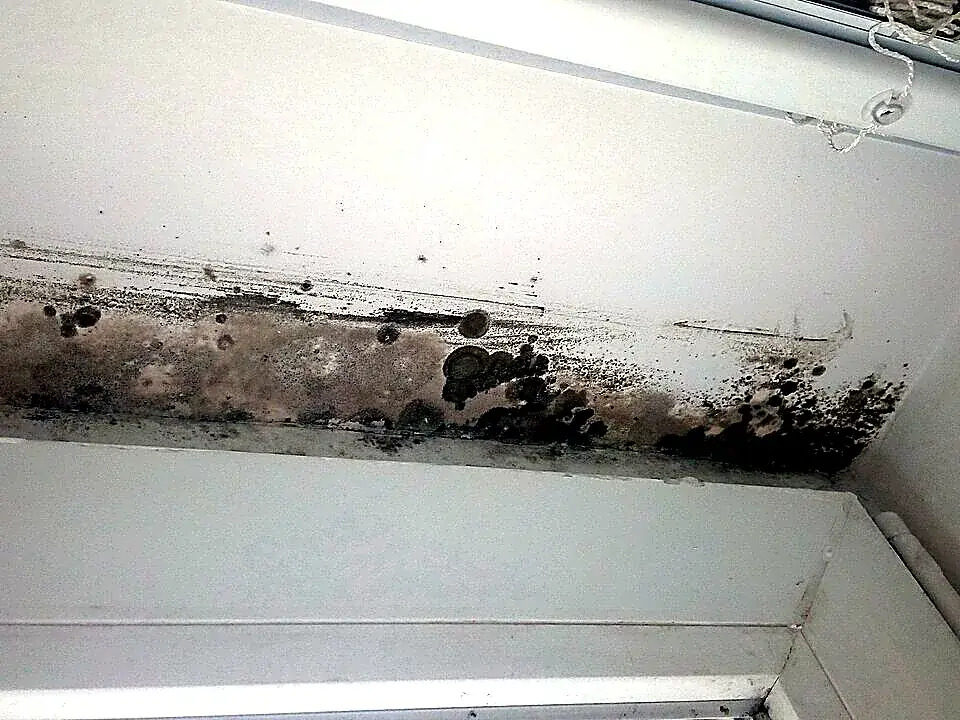
Mold remediation, in short
Mold remediation is the professional process of containing and removing mold colonies, treating affected surfaces, and — most importantly — fixing the moisture condition that let mold grow in the first place. Mold follows water: after a leak, flood, or backup, damp materials can support mold growth within roughly 24 to 48 hours under favorable conditions. If you're smelling must or spotting colonies after a water event in your Cleveland home, call (216) 438-9348 and our team will remove the mold safely and fix the moisture source behind it.
Mold remediation is inseparable from water damage restoration — which is why this guide sits alongside our structural drying and basement flood cleanup guides. Kill the moisture and mold loses its footing; skip the moisture and mold comes back no matter what gets sprayed on it.
When mold is a problem worth acting on
Mold spores are everywhere, indoors and out — that's normal and unavoidable. The problem starts when spores land on a damp surface and colonize. The usual tells:
- A musty, earthy smell that lingers in one room, basement, or closet — often the first sign, before anything is visible.
- Visible spotting — black, green, gray, or white patches on drywall, baseboards, window sills, under sinks, or on basement walls.
- Recurring growth in the same spot after cleaning — the moisture feeding it was never fixed.
- Water history. A past leak, flood, or backup in the space, even one that "dried out," is a flag worth checking.
- Bubbling paint or warped surfaces near the growth — moisture still moving through the material.
Don't panic-scrub a large patch. Disturbing mold without containment sends spores airborne and spreads the problem. Small surface growth is one thing; anything widespread warrants a professional first look.
A careful word on health
We're a referral service, not medical professionals, so take this as general orientation: mold exposure affects people differently. Individuals with asthma or allergies, children, older adults, and those with weakened immune systems are commonly described in public-health guidance as more sensitive to mold. People in a mold-affected home frequently report musty odor complaints and irritation-type symptoms, and anyone with health concerns about mold exposure should talk to their doctor — and treat persistent mold at home as a problem worth solving rather than living with.
The practical takeaway isn't fear; it's sequencing. Get the moisture stopped, get affected materials handled properly, and get the space dried. That's the same playbook as every water loss, which is why the providers we connect you with treat mold and water damage as one job, not two.
DIY cleanup or professional remediation?
General guidance from environmental agencies draws a rough size line: small surface mold — roughly a patch under about ten square feet, on hard surfaces, caught early — can often be handled by a homeowner with gloves, eye protection, detergent and water, and decent ventilation. The caveats matter:
- Bigger than a bath-towel-sized patch? Professional containment and removal are the safer route.
- Inside walls, HVAC systems, or crawlspaces? You can't see the whole problem — professional assessment first.
- Sewage-contaminated water involved? Category 3 cleanup rules apply — see our sewage guide — and mold treatment follows the disinfection, not replaces it.
- Anyone sensitive in the home? Err toward professional handling.
- It keeps returning? The moisture source is still live. Cleaning colonies without fixing the moisture is gardening, not remediation.
What professional remediation involves
- Assessment and moisture mapping. Finding every wet material feeding growth — meters and thermal cameras, the same toolset as any water loss.
- Containment. Plastic sheeting and negative-air machines keep spores from traveling to clean rooms while work happens.
- HEPA filtration and removal. HEPA vacuums capture loose spores; mold-colonized porous materials — drywall, insulation, carpet — are removed and bagged; hard surfaces are cleaned and treated.
- Structural drying. Air movers and dehumidifiers bring remaining materials to dry standards, so the food source is gone. This is the phase described in our drying guide.
- Verification. Moisture readings and visual clearance confirm the space is dry and clean — and that the moisture source is fixed, not just the symptom.
On "mold kill" claims: antimicrobial treatments have their place, but no spray substitutes for removal and drying. Be wary of anyone whose whole plan is fogging without opening up wet materials.
Keeping mold from coming back
- Dry water events within 24–48 hours. The single biggest lever — extraction and fast drying after every leak or flood.
- Keep indoor humidity reasonable. Dehumidifiers in basements through Cleveland's muggy summers; watch for window condensation in winter.
- Ventilate wet rooms. Bathroom and kitchen exhaust fans that actually vent outdoors.
- Fix leaks promptly — the slow supply-line drip under a sink grows colonies quietly for months. Leak detection finds them early.
- Grade and gutters. Downspouts that discharge away from the foundation keep basements drier — see our basement guide.
What drives mold remediation cost
We don't set prices — the independent provider you're connected with quotes after assessing. The variables that move the number:
- Extent of growth — a windowsill versus a wall cavity full of colonies.
- Location and access — finished basements, behind cabinetry, and HVAC involvement all add work.
- Materials affected — cleanable hard surfaces versus removal and replacement of porous ones.
- Containment scope — bigger jobs need more sealing, negative air, and protection of clean areas.
- Moisture source — an unresolved leak or seepage problem has to be fixed or the remediation won't hold.
On insurance: coverage often depends on the underlying cause — damage stemming from a covered, sudden water event is treated differently than long-term seepage or neglect. Check your policy and document with photos before any work; the homepage's cost-factors overview covers the broader picture.
Mold remediation FAQs
When does mold grow after water damage?
Under favorable conditions — damp organic materials, reasonable temperatures — mold can begin growing within roughly 24 to 48 hours of water intrusion. That window is the whole argument for fast extraction and drying after any leak or flood.
Can I remove mold myself?
Small surface growth — generally under about ten square feet, on hard surfaces — can often be handled by homeowners with protection, detergent, and ventilation. Widespread growth, mold inside walls or HVAC, sewage-related contamination, or recurring growth calls for professional remediation with containment.
Is mold dangerous to my health?
People react differently, and public-health guidance commonly notes that people with asthma or allergies, children, older adults, and immunocompromised individuals are more sensitive to mold. We're not medical professionals — for personal health questions, talk to your doctor. For the home, persistent mold means a moisture problem worth fixing.
How is professional mold remediation done?
Assessment and moisture mapping, containment with negative air, HEPA vacuuming, removal of colonized porous materials, cleaning and treatment of hard surfaces, structured drying to dry standards, and clearance verification. The moisture source gets fixed — otherwise the mold returns.
Does insurance cover mold removal?
It varies widely: mold resulting from a covered, sudden water event is often treated differently than mold from long-term seepage or unresolved humidity, and many policies cap or exclude mold specifically. Check your policy and confirm with your carrier; photograph everything before work begins.
How do I stop mold from coming back?
Moisture control, full stop: dry water events within a day or two, keep humidity reasonable, ventilate bathrooms and kitchens, fix leaks promptly, and keep gutters and grading moving water away from the foundation. If growth keeps returning to the same spot, something is still wet — call (216) 438-9348 and get it checked.
Related help
Mold rarely arrives without water: emergency water removal for active events, structural drying to remove what mold feeds on, basement flood cleanup for storm events, and leak detection when the source is hiding. Homes with finished basements and older plumbing — common in Cleveland Heights and Slavic Village — see the most recurring mold calls. For the full referral picture, see the Cleveland water damage restoration company overview on our homepage.
Next step: if you can smell mold but can't see the whole problem, that's the moment to get professional eyes on it. Call (216) 438-9348 and we'll connect you with an available independent provider for your part of Cleveland.